


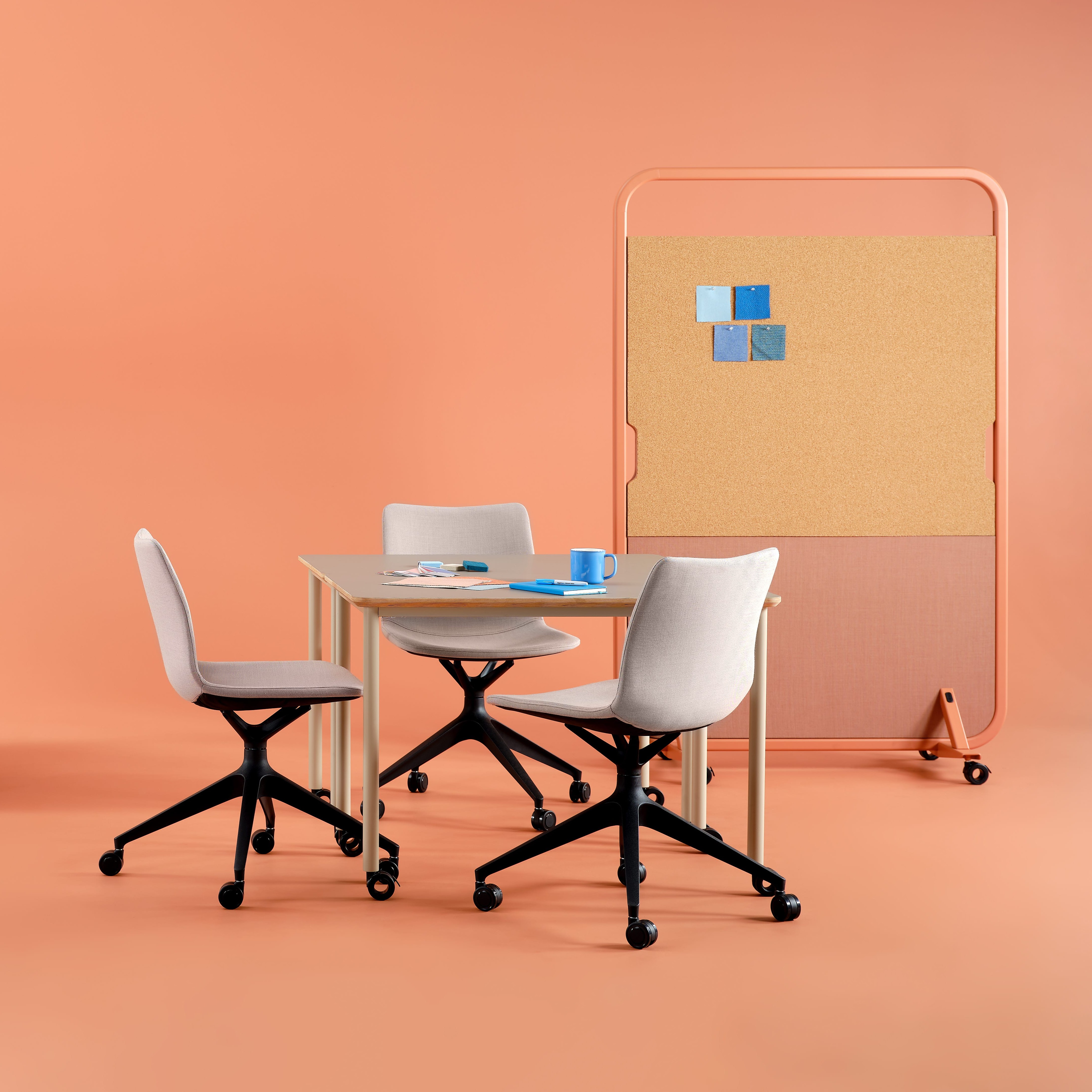

Zoning is no longer just about dividing space. It’s about crafting environments that support different work modes. Quiet zones give employees the focus they need for complex tasks, collaborative areas encourage spontaneous brainstorming, and social or wellness spaces allow staff to recharge, fostering both creativity and productivity. The right mix of zones can improve employee experience and engagement, reinforcing a workplace culture that values flexibility and wellbeing.
Design innovation is playing a central role in enabling this shift. Modular and mobile systems allow organisations to quickly reconfigure layouts, balancing functional requirements with aesthetic appeal. These solutions transform the office from a static environment into a dynamic ecosystem that responds to the needs of the workforce.
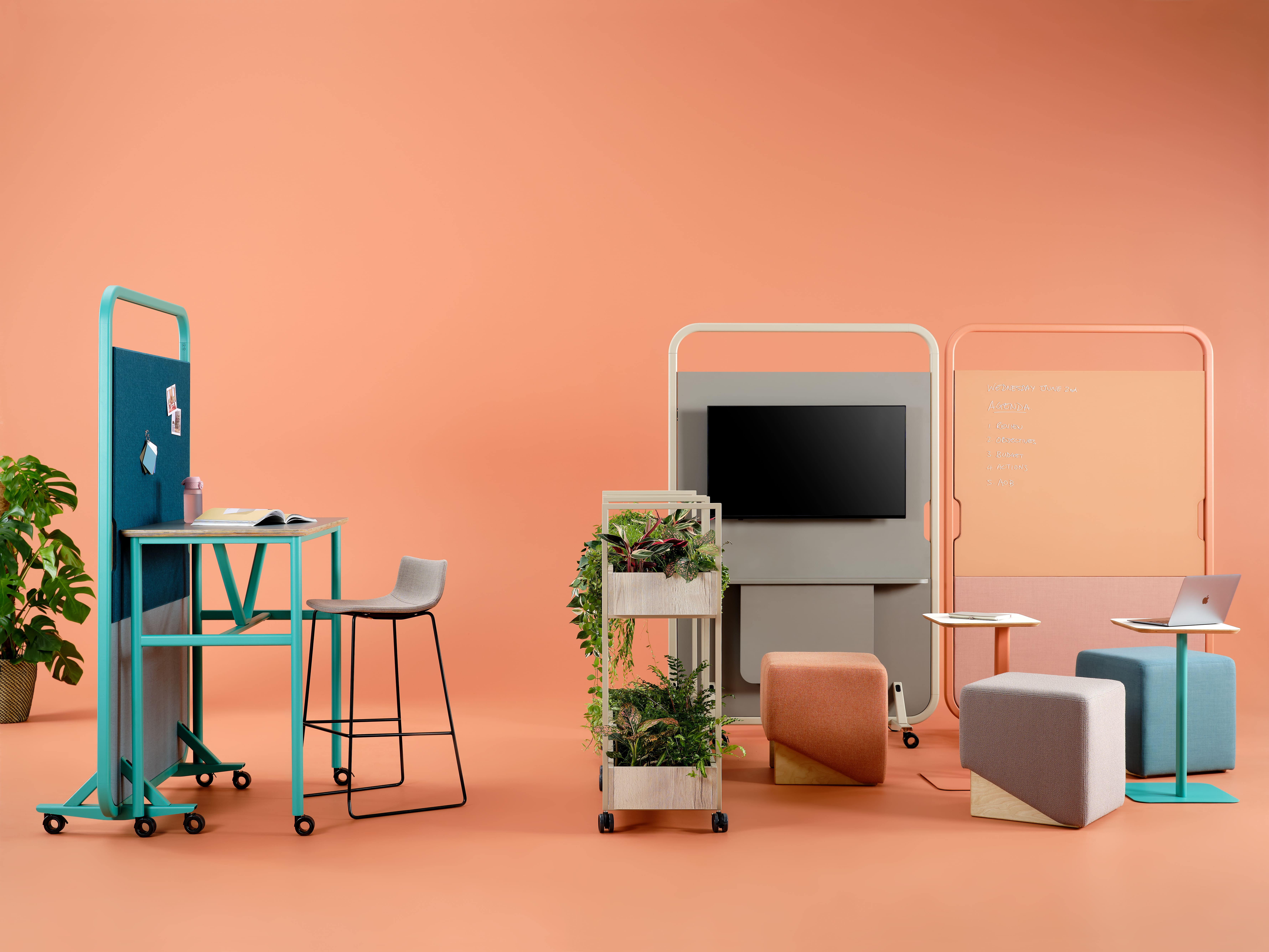

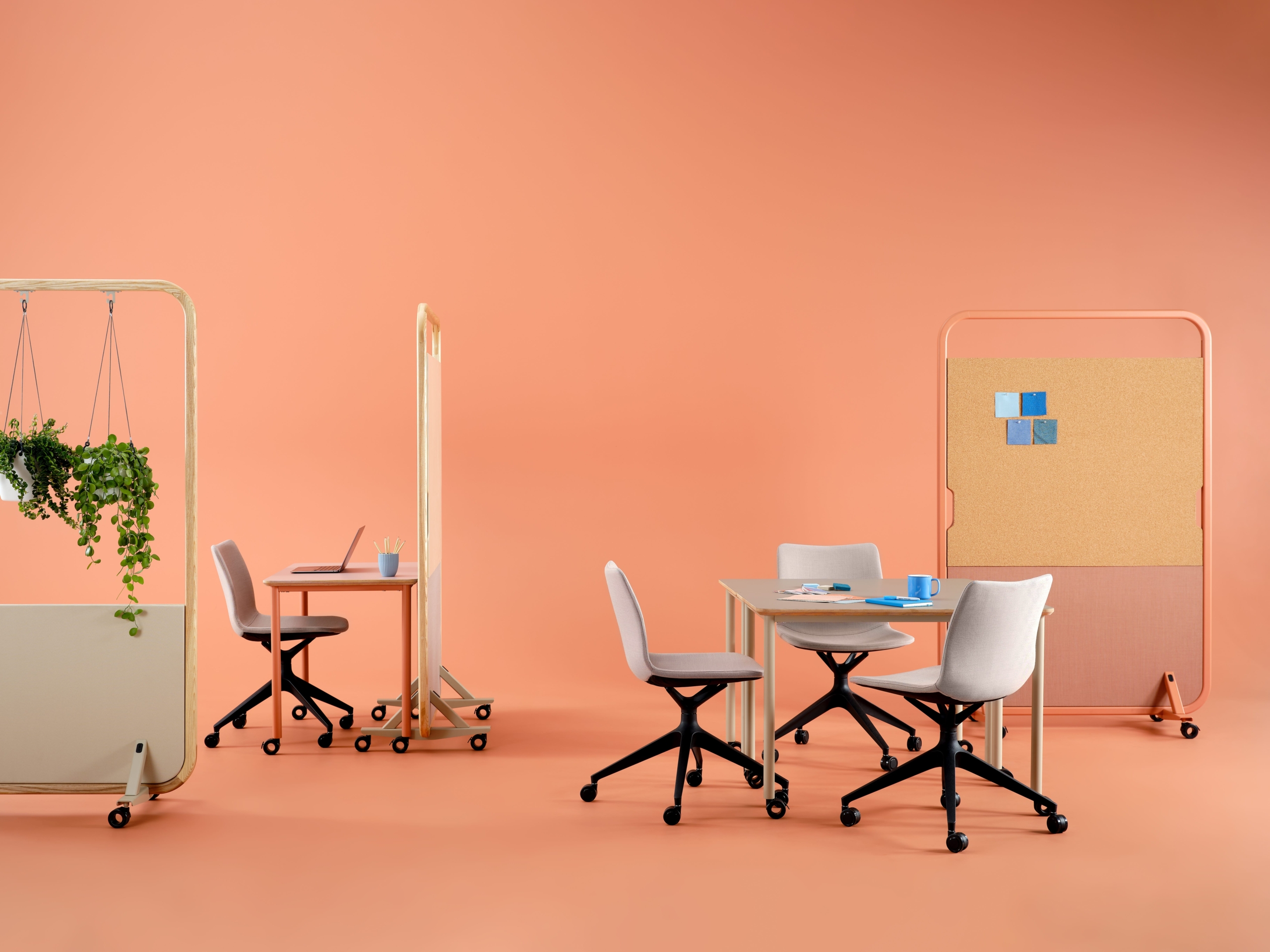
A case in point is the recent launch of Bisley’s Arches collection. Designed for modern offices, Arches provides a flexible zoning solution that can be easily reconfigured, offering a range of finishes and integrated accessories such as whiteboards, canopies, and planters. These features make it more than a partition system: they turn spaces into multifunctional areas that foster collaboration, focus, and well-being, while remaining visually engaging and aligned with corporate identity.
The visual and sensory aspects of the workplace are increasingly important. Workspaces that feel inviting and thoughtfully designed not only enhance brand identity but also impact employee satisfaction and retention. Materials and finishes play a key role: steel offers a sleek, modern aesthetic and a sense of structure, while wood brings warmth and texture, creating a more welcoming, human-centred environment. Alongside a broad palette of colour options and integrated accessories, these choices ensure that zoning solutions can be tailored to both functional and aesthetic requirements, resulting in spaces that employees genuinely enjoy being in.
Well-being remains at the heart of effective workspace design. Environments that balance interaction and focus, integrate natural elements, and provide comfort contribute directly to mental and physical health. Forward-thinking zoning solutions make it possible to create spaces where employees can thrive—whether that means concentrating on deep work, engaging with colleagues, or taking a restorative pause.
In today’s rapidly evolving work landscape, adaptability is no longer optional, it’s essential. Workspace solutions that combine flexibility, visual appeal, and employee-centric design enable organisations to respond to changing needs while fostering engagement, creativity, and productivity. Systems like Bisley’s Arches demonstrate how modular, mobile, and multifunctional design can support the modern office’s twin goals: operational efficiency and an exceptional employee experience.
The office of today is dynamic, responsive, and human-centred. By embracing intelligent zoning and adaptable design solutions, organisations can create workplaces that not only meet operational demands but also inspire the people who use them. In doing so, they future proof the office for a workforce that values flexibility, collaboration, and well-being.


link