Scientists Create Self-Charging Cement Using Bacteria That Powers Buildings Indefinitely
| IN A NUTSHELL |
|
In a groundbreaking development, researchers from Aarhus University have demonstrated that cement, traditionally viewed as a lifeless building material, can be transformed into a dynamic energy storage system. By embedding living bacteria into cement, the team has created a supercapacitor capable of storing electricity and recovering its performance when “fed” with nutrients. This innovation suggests a future where building materials not only provide structural support but also actively participate in energy systems. As the global demand for sustainable energy solutions grows, this bacteria-powered cement could play a pivotal role in reshaping how buildings function and contribute to energy grids.
Harnessing Bacterial Energy
The concept behind this innovative material is both simple and revolutionary. Researchers incorporated Shewanella oneidensis, a bacterium known for its electron-moving capabilities, into cement. Within this environment, the bacteria establish a network of charge carriers, enabling the cement to store and release energy. This approach marks a significant departure from conventional cement-based storage devices, offering enhanced performance and longevity.
Early tests indicate that the bacteria-powered cement can outperform traditional solutions, maintaining functionality even after the microbes die. Researchers found that they could rejuvenate the cement’s performance by introducing nutrients, effectively “reviving” the bacteria. This discovery underscores the potential of building materials to take on active roles in energy systems, transforming walls and foundations into energy-storing components.
Qi Luo, the lead researcher, emphasized that the integration of structure and function represents a significant advancement. The potential applications of this technology extend beyond the laboratory, with the possibility of integrating it into real-world structures, such as walls, foundations, and bridges. Such applications could support renewable energy sources by providing local energy storage solutions, enhancing the overall efficiency and sustainability of energy systems.
“He Built This at 14”: Teen’s Backyard Shed Project Triggers 27,000 Reactions and International Job Offers
Recoverable Power System
One of the key challenges in microbial energy systems is sustaining the bacteria’s activity over time. To address this, the Aarhus University team developed a microfluidic system within the cement, supplying essential nutrients to keep the bacteria alive or revive them when necessary. This approach allows the cement to recover up to 80% of its original energy storage capacity, making it a viable alternative to traditional batteries.
Testing has shown that the cement can store and discharge power in extreme environmental conditions, such as freezing or high temperatures. In one experiment, six blocks of this bacteria-powered cement were wired together to produce enough electricity to illuminate an LED bulb. This practical demonstration highlights the potential for real-world applications, where buildings made of this material could store substantial amounts of energy, reducing reliance on external power sources.
According to Luo, even a modest performance could have significant implications. A room constructed with bacteria-powered cement could store around 10 kWh, enough energy to power a standard enterprise server for an entire day. This potential makes the innovation an attractive option for integrating renewable energy sources, such as solar panels, into buildings, thereby enhancing their sustainability and reducing energy costs.
“FBI Raided This 12-Year-Old’s Bedroom”: Jackson Oswalt Built Working Nuclear Fusion Reactor That Combined Atoms Before Turning 13
Infrastructure That Powers Itself
As the shift towards renewable energy accelerates, the demand for sustainable and affordable energy storage solutions becomes increasingly critical. Today’s batteries, often reliant on scarce and expensive resources like lithium and cobalt, present several challenges, including limited availability and environmental concerns.
The bacteria-powered cement system offers an alternative that circumvents these issues. By utilizing abundant and low-cost materials, along with naturally occurring bacteria, this system provides a scalable solution that aligns with the needs of expanding renewable energy infrastructure. The potential applications are vast, from bridges that power their own sensors to homes that store solar energy in their walls.
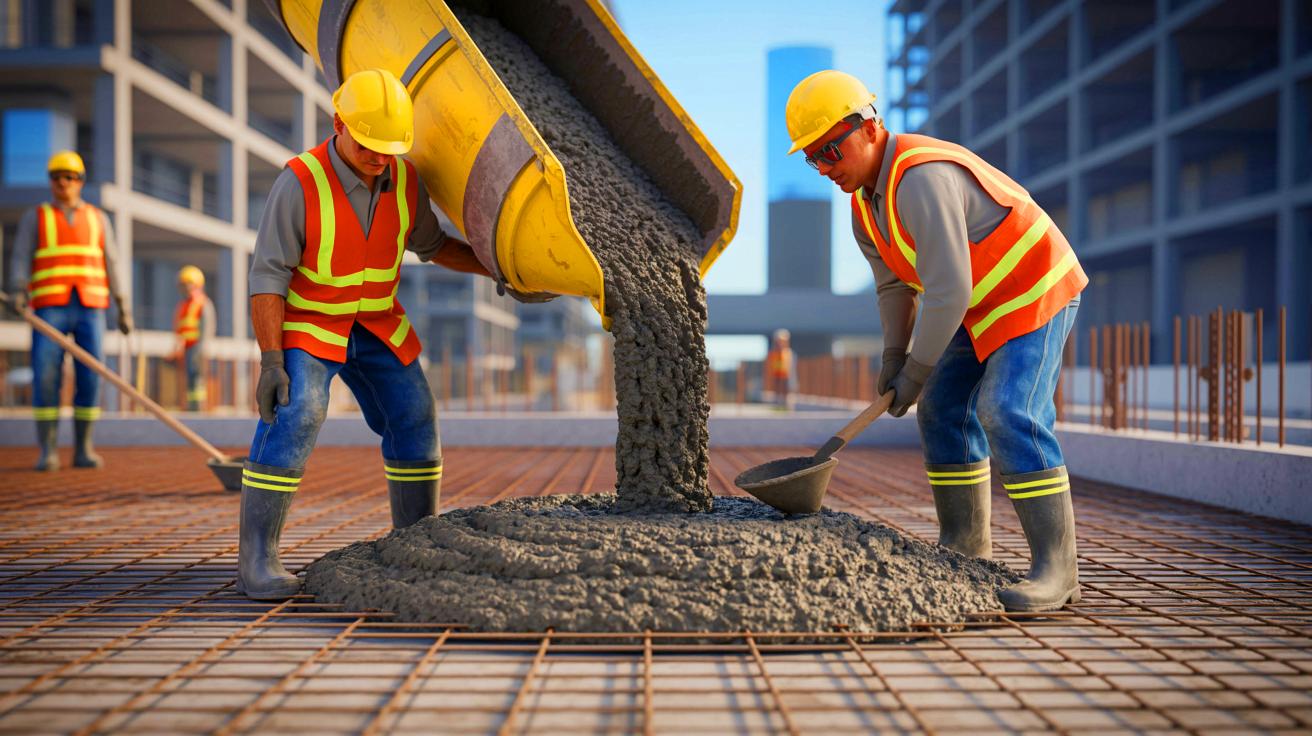
While the research remains in its early stages, the findings suggest a paradigm shift in how infrastructure could function in the future. Buildings of the next generation could be designed to serve dual purposes, acting both as structural elements and as integral components of energy grids. This dual functionality could revolutionize construction practices, allowing builders to “pour” energy storage directly into the fabric of the structures they create.
“China Promises Game-Changer”: The US Scrambles as New Cooling Cement Threatens Construction Industry Stability
A New Era of Energy Storage
The implications of bacteria-powered cement extend beyond construction and energy storage. This innovation represents a broader trend towards integrating biological processes into technological solutions. By harnessing the natural abilities of microorganisms, researchers are opening new avenues for sustainable development and environmental stewardship.
The potential for bacteria-powered cement to transform the energy landscape is vast. As researchers continue to refine this technology, it could become a cornerstone of eco-friendly building practices, reducing reliance on finite resources and minimizing environmental impact. The integration of living systems into construction materials may also inspire other industries to explore similar approaches, further advancing the goals of sustainability and resilience.
As this technology progresses, it raises important questions about the future of energy systems and the role of innovation in addressing global challenges. How will society adapt to these new capabilities, and what opportunities will arise from the convergence of biology and technology in the built environment?
This article is based on verified sources and supported by editorial technologies.
Did you like it? 4.5/5 (24)
link